
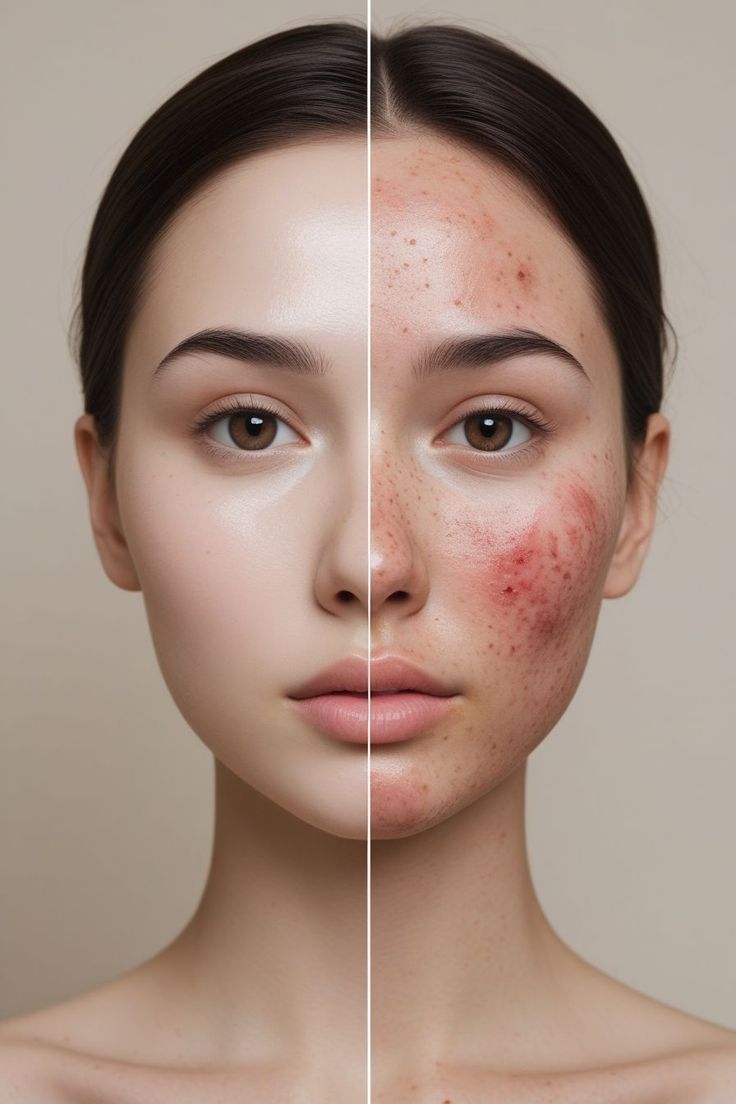
Effective Skincare for Hyperpigmentation: When to Seek a Dermatologist and Which Treatments Need Prescription
Understanding Hyperpigmentation and Its Causes
Hyperpigmentation occurs when certain areas of the skin produce excess melanin, leading to darker patches or spots. Common causes include sun exposure, inflammation, hormonal changes, and skin injuries. While many cases can be managed with good skincare habits at home, persistent or severe hyperpigmentation may require medical intervention. Protecting the skin from UV rays is essential, as sun exposure worsens pigmentation and can make spots more noticeable.
Skincare Tips to Manage Hyperpigmentation
An effective skincare routine to combat hyperpigmentation should include sun protection, exfoliation, and the use of targeted brightening ingredients. Daily application of broad-spectrum sunscreen with at least SPF 30 helps prevent further darkening. Ingredients such as vitamin C, niacinamide, azelaic acid, and retinoids are popular choices because they inhibit melanin production and promote skin cell turnover. Regular exfoliation using gentle acids like glycolic acid removes dead skin cells and renews the skin’s surface. Moisturizing daily supports the skin barrier, reducing irritation and maintaining overall skin health. Consistency and patience are key, as visible improvements can take several weeks to months.
When to See a Dermatologist
It is important to consult a dermatologist if hyperpigmentation does not improve with over-the-counter treatments or if you notice any sudden changes in your skin, such as new spots, increasing size or irregularity of existing spots, or discomfort. Other reasons to seek professional advice include persistent acne, unusual rashes, chronic skin conditions, or concerns about moles and skin cancer. A dermatologist can accurately diagnose the cause of pigmentation and tailor treatments based on your skin type and severity of the condition.
Prescription Treatments and Professional Options
Certain effective treatments for hyperpigmentation and other complex skin concerns require a dermatologist’s prescription and supervision. These may include prescription-strength retinoids to accelerate skin turnover, hydroquinone to lighten dark spots, corticosteroids to reduce inflammation, and oral or topical antibiotics if infection is involved. Dermatologists can also offer advanced treatments such as chemical peels, laser therapy, or microneedling, which target pigmentation more intensively. Using these treatments under professional care helps minimize side effects and ensures the best results.
Managing hyperpigmentation involves diligent skincare, sun protection, and sometimes professional medical treatment. Start with a solid home routine using targeted ingredients and sun care. Seek dermatologist help if your condition persists or worsens, or if you need stronger prescription options. With the right approach and patience, significant improvement in skin tone and texture is achievable.

Image Credit: Pinterest