
Synthetic Fragrances in Skincare: Hidden Dangers, Health Risks, and How to Choose Safer Products
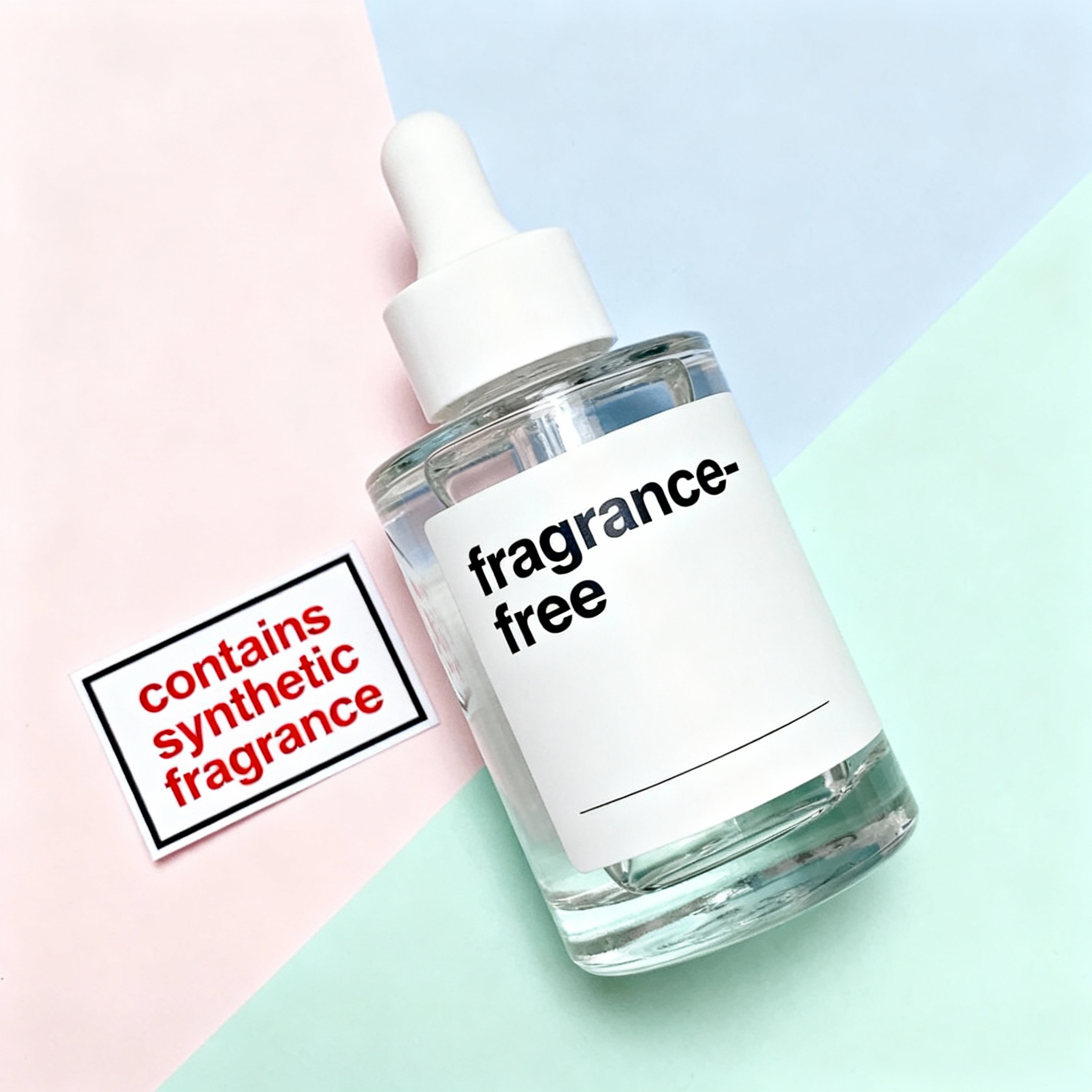
Introduction: Why Synthetic Fragrance is a Big Deal
Synthetic fragrances are common in countless skincare and cosmetic products, giving them appealing scents that attract customers and mask base ingredient odors. However, these laboratory-made chemicals may bring more than pleasant aromas—they can also provoke a variety of health issues and contribute to environmental harm, particularly for people with sensitive skin or allergies.
What Are Synthetic Fragrances in Skincare?
Synthetic fragrances are complex blends of engineered ingredients designed to mimic natural scents or create new, unique aromas. Unlike natural essential oils, these artificial formulas often feature dozens or even hundreds of chemicals, most of which are not fully disclosed on product labels. Regulations allow brands to list these compounds under the generic label “fragrance” or “parfum,” which means customers rarely know exactly what they’re applying to their skin. This hidden cocktail can expose skin to potentially hazardous substances along with the scent.
Health Risks of Artificial Scents
While fragrance can make products more enjoyable to use, artificial scents come with real risks. For many, synthetic fragrances are a leading cause of skin irritation, contact dermatitis, redness, and itching. People with sensitive skin, eczema, or rosacea are especially prone to reactions, but even those without known sensitivities can develop allergies over time. Some of the chemicals used in synthetic fragrances—such as phthalates, parabens, musk compounds, and VOCs—are linked to more serious problems like hormone disruption, respiratory distress, migraines, and possible long-term effects on human development. The lack of transparency makes it difficult to trace the source of adverse reactions.
Environmental Impact of Synthetic Fragrance
The hazards aren’t just personal—synthetic fragrance compounds often come from petrochemical sources and persist in water and soil long after they’re washed off the skin. When they enter the environment, these ingredients can harm aquatic life and disrupt delicate ecosystem balances. Eco-conscious beauty shoppers have begun to avoid artificial scents not only for health but also as a sustainable, earth-friendly choice.
How to Identify and Avoid Synthetic Fragrances
Spotting synthetic fragrance in your skincare requires close label reading and a bit of ingredient detective work. Watch for “fragrance,” “parfum,” “aroma,” or “perfume” in ingredient lists. Even products labeled “unscented” may use masking fragrances to cover natural odors. Select true “fragrance-free” formulas when possible, and rely on brands that fully disclose their aromatic ingredients, including the types and concentrations of essential oils if any are used. Online ingredient databases and decoding tools can help dig deeper into what’s really inside each product.
Choosing Safer Alternatives for Sensitive Skin
People with sensitive skin or concerns about ingredient safety should make it a habit to choose fragrance-free or transparently scented products. Some brands offer products scented solely with pure botanical extracts or essential oils—though even these can irritate the most reactive skin types. Patch testing is essential when trying a new product. For an added layer of confidence, favor dermatologist-tested, hypoallergenic, and eco-certified brands, and keep ingredient lists short and simple.
Conclusion: Making Mindful Choices
ySynthetic fragrances may offer a temporary sensory reward, but their potential health and environmental costs are too great to ignore. Greater awareness and transparency empower skincare enthusiasts to prioritize safety and sustainability in their routines. By reading labels, seeking out fragrance-free alternatives, and choosing brands devoted to full disclosure, everyone can create a healthier, more mindful beauty ritual.
Image Generated by AI